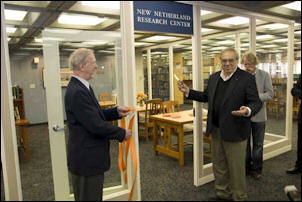
 A ribbon-cutting ceremony on Wednesday, November 3 officially opened the New Netherland Research Center in Albany, New York. The center will focus attention on New York State's rich collection of historic Dutch Colonial documents and facilitate access to them for future scholars, teachers and students.
Opening up Dutch history
The New Netherland Research Center is the culmination of a decades-long translation effort at the New York State Library, the New Netherland Project. Dr. Charles Gehring is the project's Director and principal translator. "This gives researchers a nice room where everything they need is located in one place," said Gehring in the Albany Times Union. "It gives us a visual presence in the library. I'm excited, even though it took more than 30 years."
"This is fantastic because it opens up so much about Dutch history to share with everyone," said Janny Venema. She is the associate director of the New Netherland Project and a translator and author of books on Dutch Colonial Albany. Gehring and Venema have worked to unlock the wealth of information in these collections by making them available in English. They have written extensively on the scope and legacy of the Dutch heritage of United States.
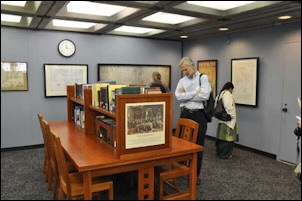
The New Netherland Research Center will provide access to the colonial Dutch documents held by the New York State Archives and New York State Library Manuscripts and Special Collections. The center is housed in a large, glass-walled room on the 7th floor of the New York State Library. It is decorated with historic maps, Len Tantillo prints depicting the Dutch Colonial era, books pertaining to the region's Dutch heritage and computer desks. Researchers can also gain access to archival documents in the collections of the State Library and State Archives at the center.
 A Royal Visit
During the 2009 Quadricentennial celebration of Henry Hudson's historic voyage opening up the New World to Dutch settlement, Dutch dignitaries, including the Prince of Orange and Princess Máxima of the Netherlands, visited the Cultural Education Center's 1609 exhibition. During that visit the government of the Netherlands committed a grant of $275,000 to the New Netherland Institute. This gift, with matching support from the Institute, will transform what started out as a translation project into a collaborative research initiative with international scope and context. Modern technologies will make New York's collections, along with those in other similar or complementary repositories, available digitally and will promote a more complete story of the Dutch global reach during the colonial period and its lasting impact on today's world.
Seventeenth century collections of government records in the New York State Archives and non-government documents in the Library's Manuscripts and Special Collections constitute the world's largest collection of early Dutch language documentation of the New World colonies. Encompassing what is now a large part of the northeastern United States, the early Dutch colony, its language, culture and laws, lie at the roots of much of our nation's modern history. Scholars regularly explore the collections for insights into 17th century life in New Netherland. Russell Shorto relied heavily on Gehring and Venema and the New York State collections in writing his book The Island at the Center of the World: The Epic Story of Dutch Manhattan and the Forgotten Colony that Shaped America.
New Netherland Research Center
New York State Library
Albany, NY
http://www.nnp.org
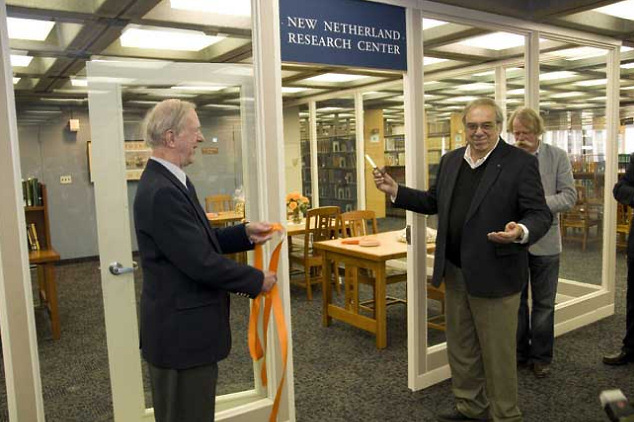
Dr. Charles Wendell, New Netherlands Institute President and Dr. Charles Gehring, Director of the New Netherland Project.

Bill Greer, New Netherlands Institute Trustee, in the just opened New Netherlands Research Center. Images courtesy the New Netherland Institute.
 Thank you for all the comments, phone calls, cards, e-mails and gifts!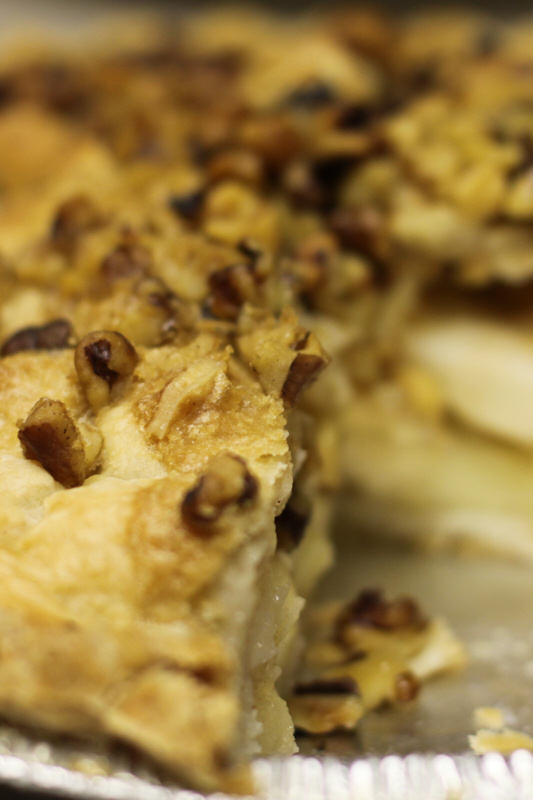
 I've bought a French version of Astérix, one of my favorite comics. The Dutch translations are of very high quality, but I'm looking forward to read Astérix in its original French.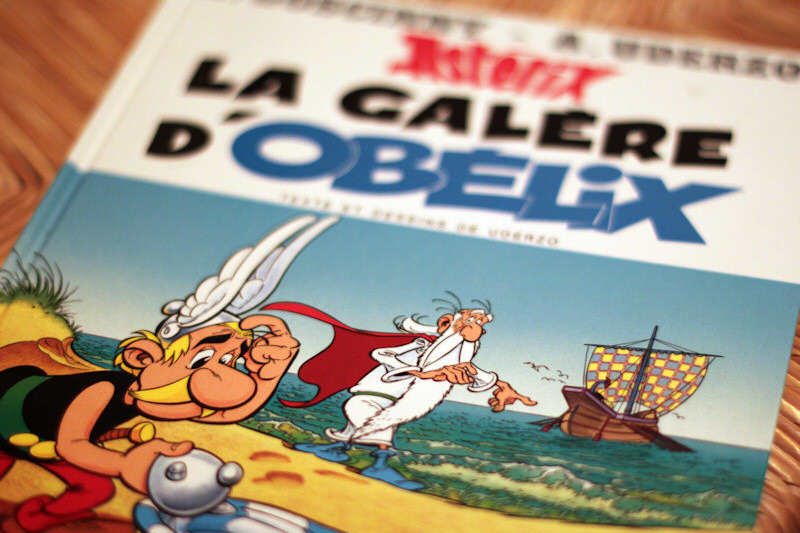
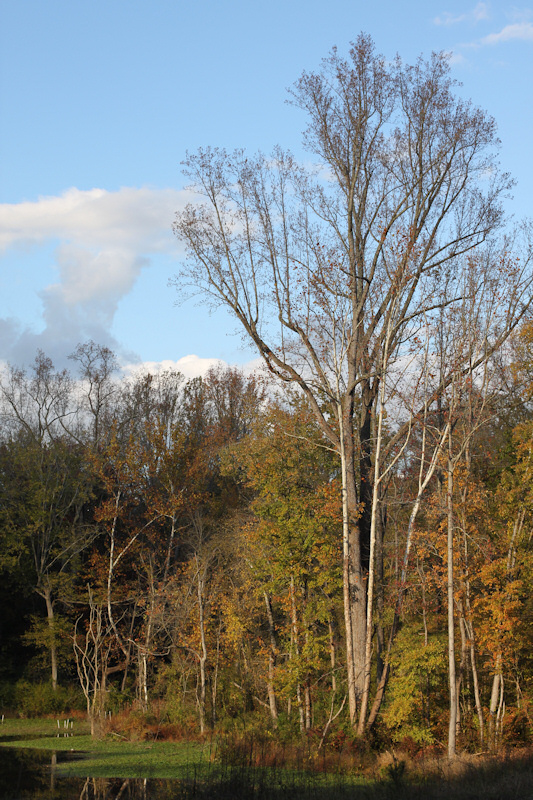
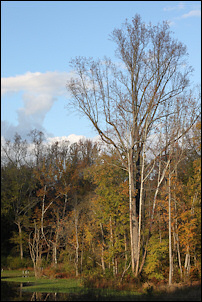 We often go for a walk on the Al Buehler trail, around the Duke golf course. The leafs now have beautiful fall colors.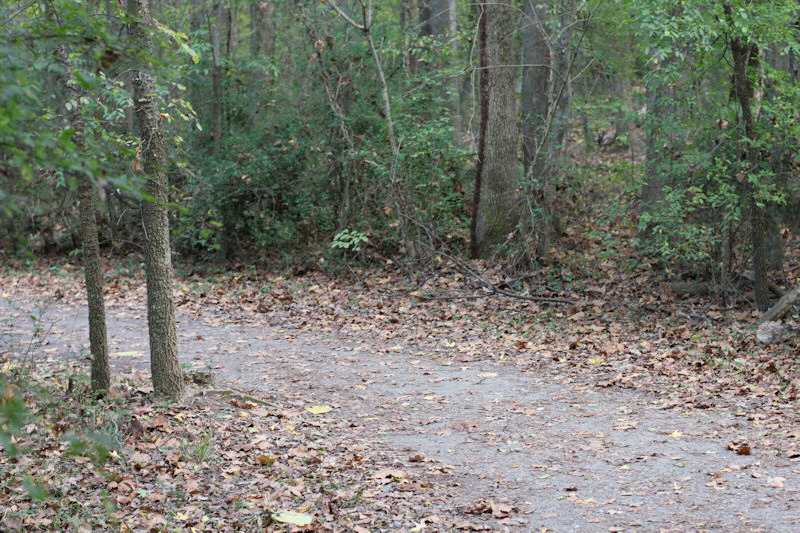
 What phone are you?
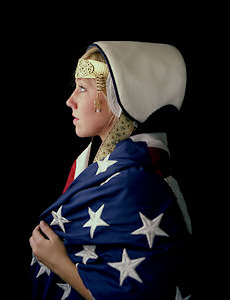 Photographer René Clement is wrapping up Promising Land, a 5 year photography project about Orange City, Iowa, and its Dutch heritage.
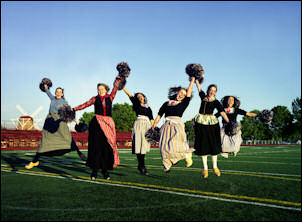 René shoots his photographs on medium format film using a Pentax camera. The project began with a a series of portraits in the tradition of the Dutch master painters, drawing upon their use of soft light and stark, black backgrounds. This was followed by a series of landscapes in which René took his subjects out of the studio environment and put them, still in costume, straight into modern life, smack in the middle of American culture. The result are beautiful and often funny photographs.