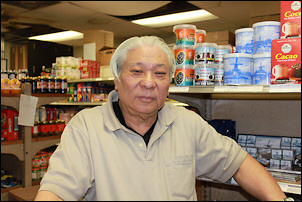
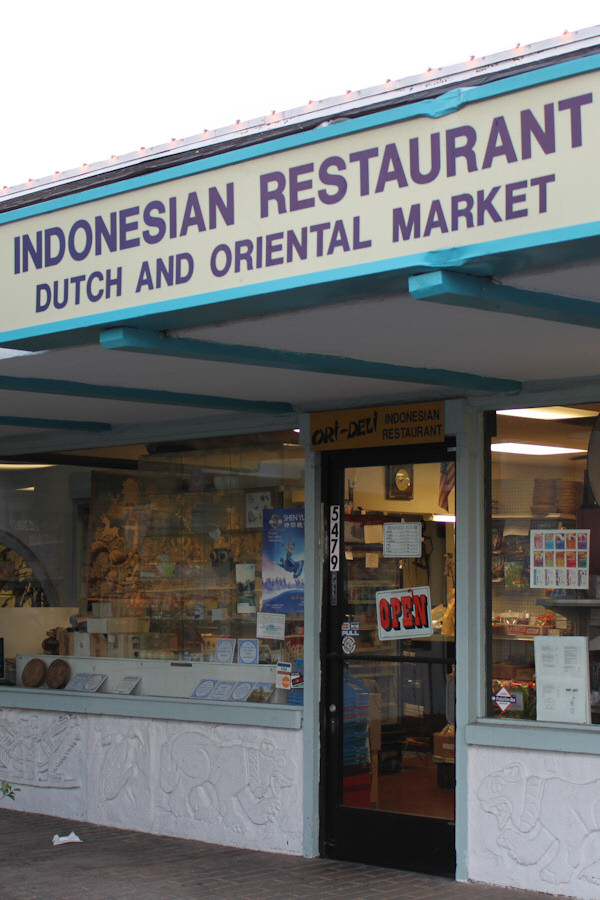
 In a corner of a small shopping center in San Jose, not far from highway 101, you'll find "Ori Deli, Dutch and Indonesian groceries". Ori Deli, owned by Robert Tan, is a great place for an Indonesian meal and Dutch shopping.
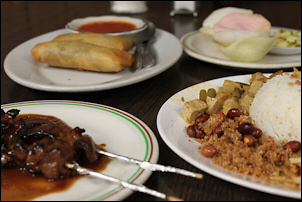
Nasi rames
The left part of the building is the restaurant. The furniture is in diner style with 30 seats. There are Indonesian posters and decorations on the wall.
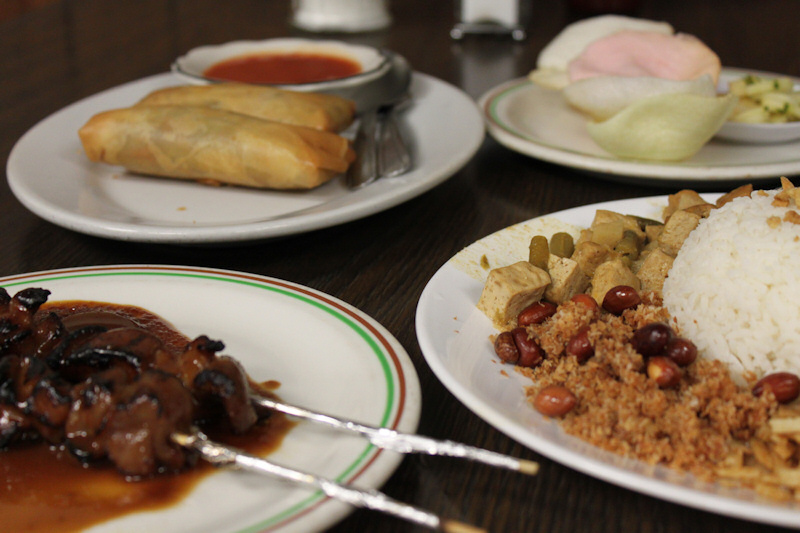
The menu consists of classic Indonesian dishes, all home-made. The Nasi Rames comes with steamed rice with beef opor, sambal goreng tahu, spiced potato strings, serundeng, mixed pickled vegetables and sambal, topped with satés and kroepoek (shrimp chips).
The nasi smells delicious, with a small whif of trassi. "We don't use too much", says Tan, "because most Americans don't like it". The sate is excellent and served with a great peanut sauce.
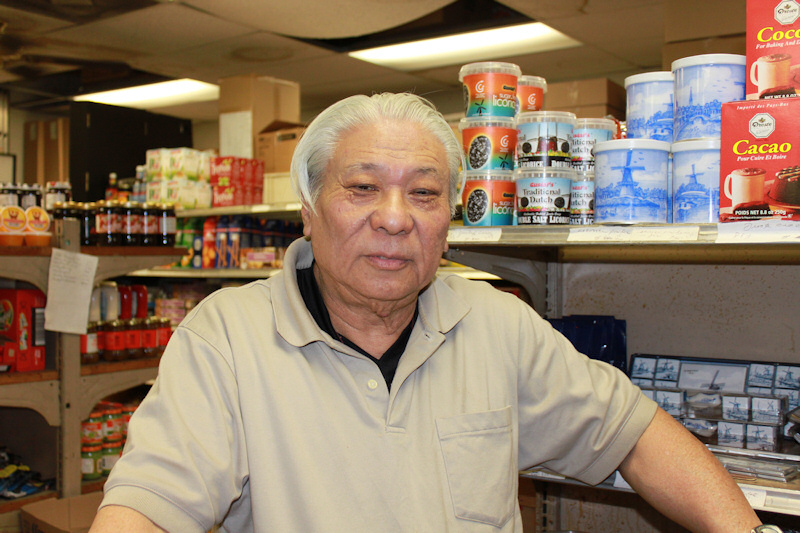
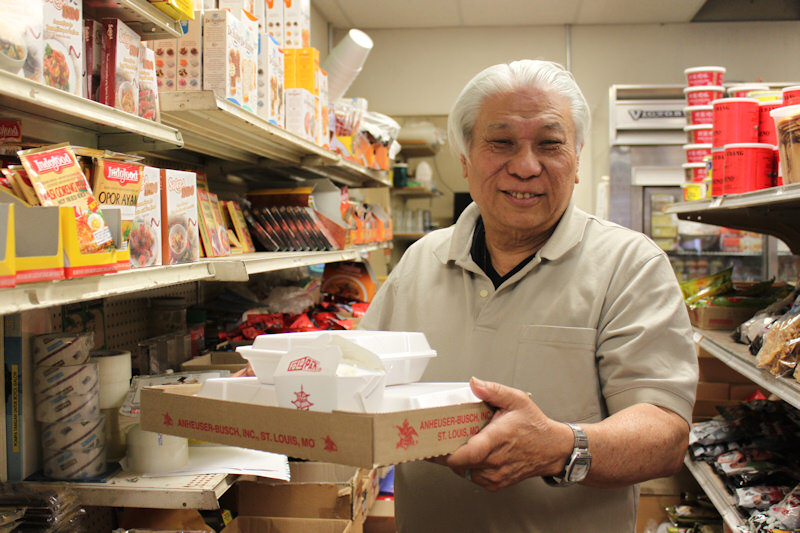
 The store and restaurant offer a high level of personal service. The chef/owner takes your order and cooks your meal, using ingredients that he picks up from the store. "We cook the authentic way", says Mr. Tan, who enjoys talking about Indonesian culture and food.
The store has been in existence for over 30 years. Tan says business is slower than it used to be years ago since many of the older generation of Dutch-Indonesians are no longer around. He gets a fair amount of Dutch visitors, who come looking for Dutch items in his store.
The restaurant and the store are connected to each other, so while you wait for your food you can walk around and do some shopping.
Groceries
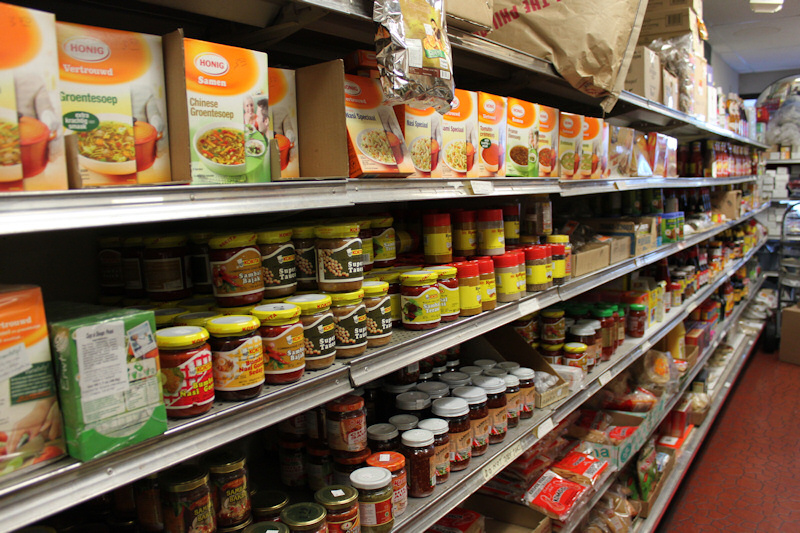
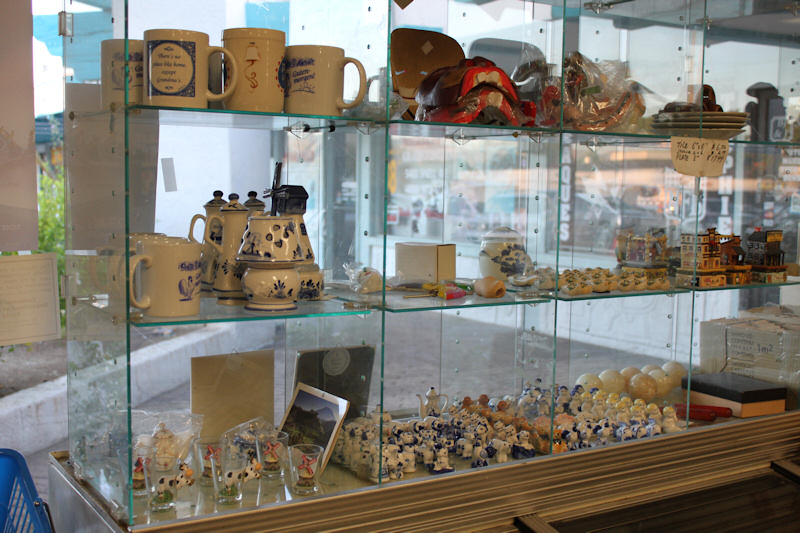
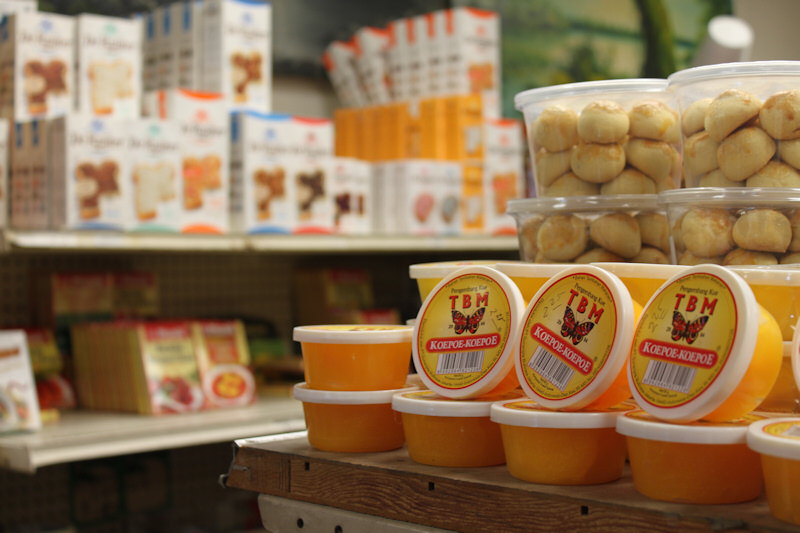
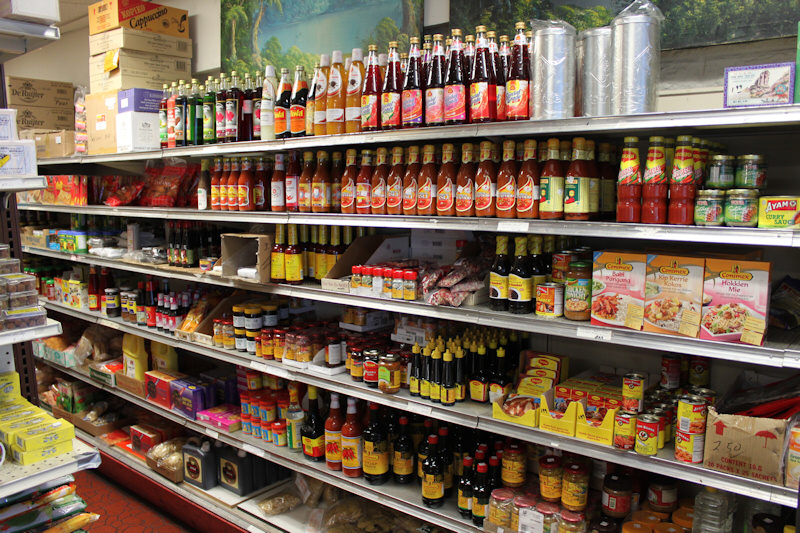
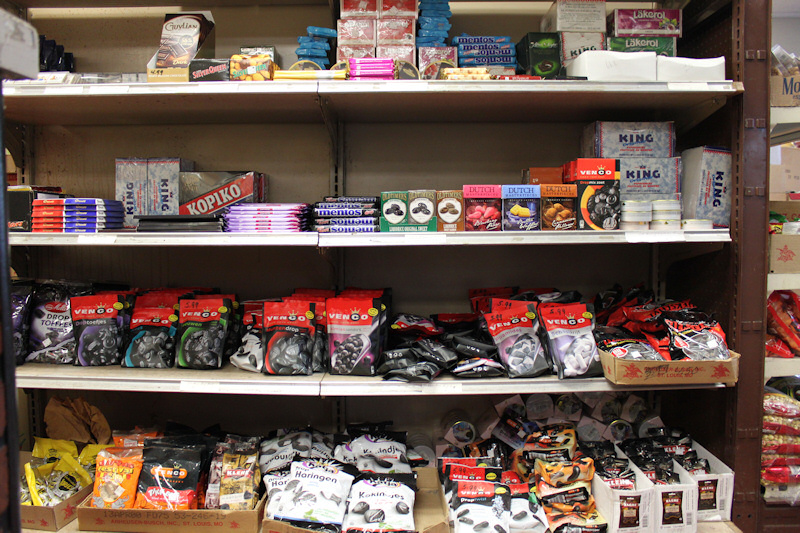
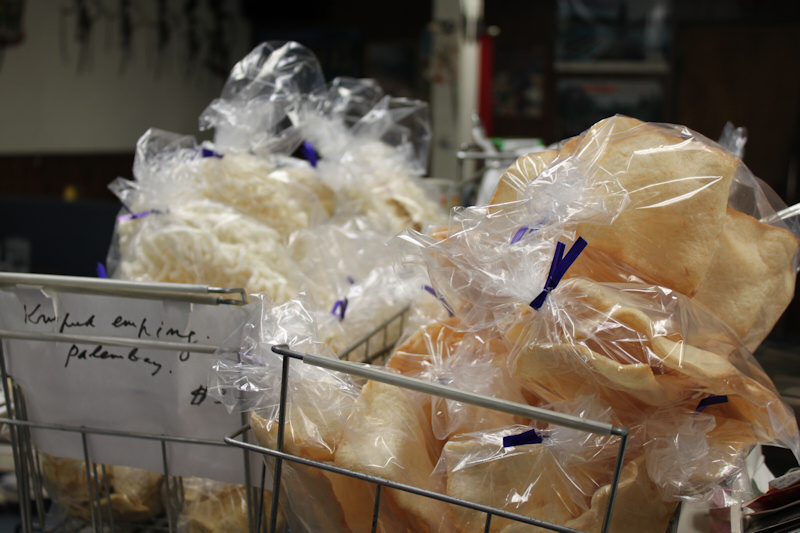
The groceries section has a large selection of Dutch and Indonesian products. There’s a large selection of drop and Dutch sweets, Honig soups and Delftware. There’s a large selection of Indonesian spices and condiments, and fresh made kroepoek is available for sale.
Ori Deli
5479 Snell Ave
San Jose, California
http://www.orideli.com/

 Tonight I cooked a dish with Belgian andive. I saw this vegetable at Whole Foods when I was there for lunch, and it reminded me of a delicious dish, witlof met ham, that we'd eat in Holland sometimes.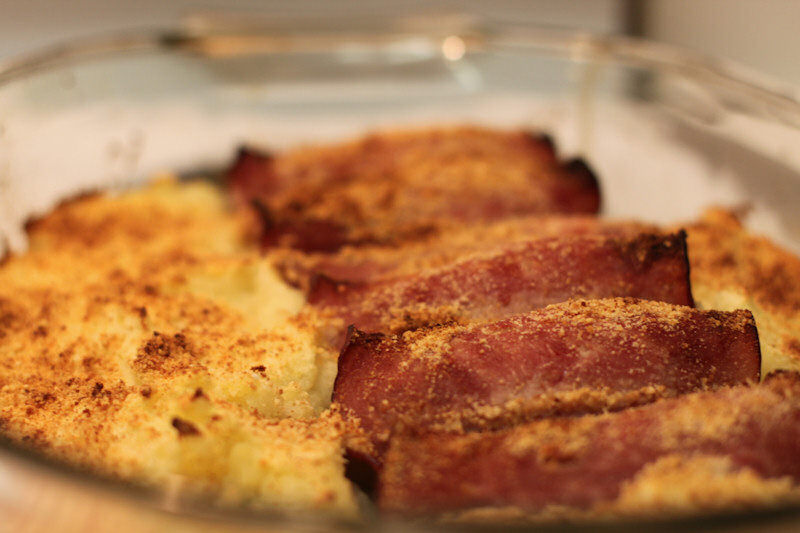
 The plant that I had at work for a while but then brought home, was sick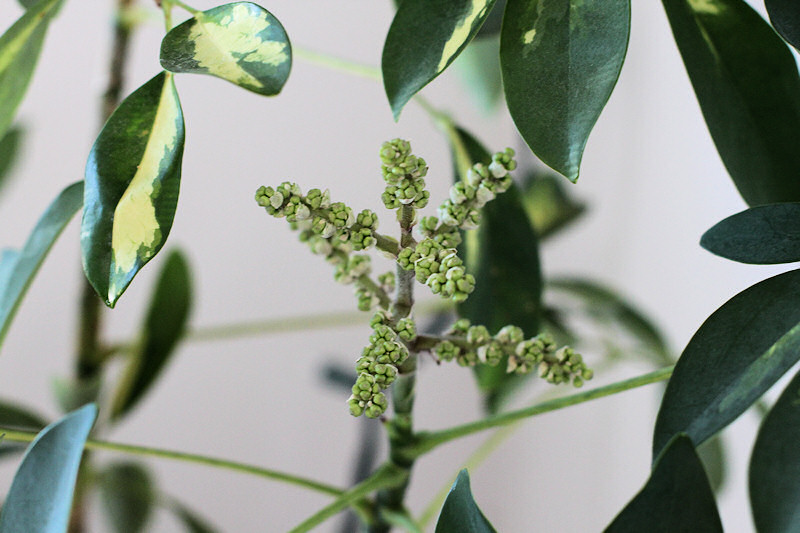
 When we lived in Haarlem, the Netherlands we had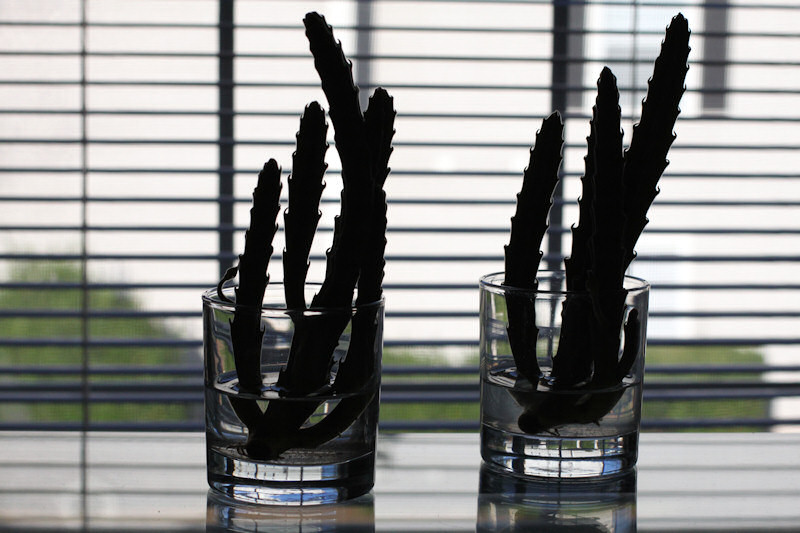
 I like to joke: "how can a country that put a man on the moon be so incapable of producing good bread?" An exaggeration, of course; there is plenty of good bread available if you know where to look, but in general Dutch bread is much better than American bread.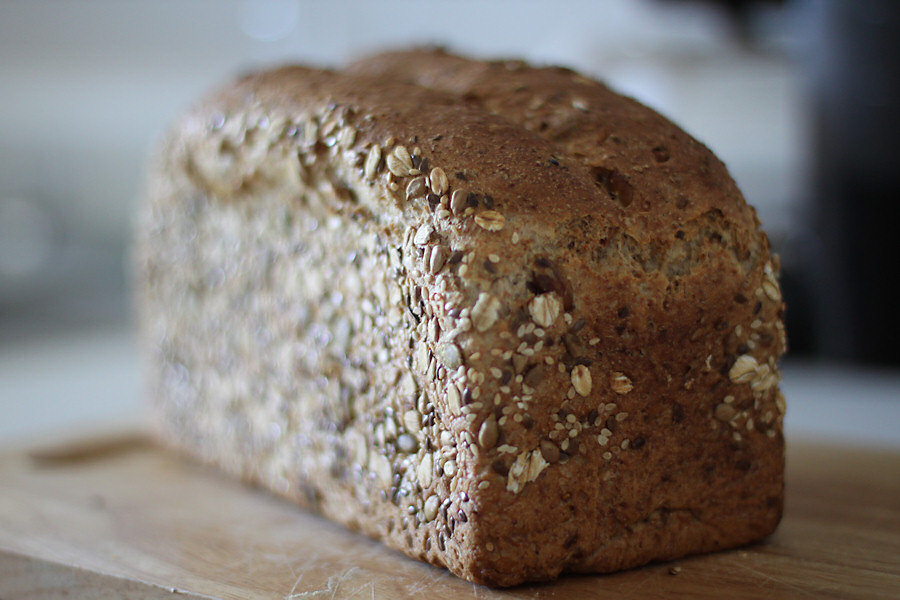
 I installed the second beta release of Drupal 7 on my OpenBSD server. Over-all, the beta looks very solid. This morning I
 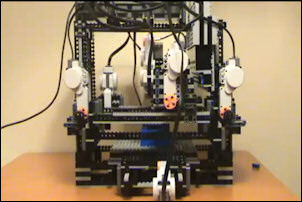 Wired had a fun video today about a machine, made from Lego, that can build Lego objects.